When Loving Someone Makes You Want to Crawl Under Their Skin
You watch them doing something so ordinary you would struggle to describe it later. They are making food, or looking for something they have misplaced. You know how they move through the room. You know which bit of...
Published 6 October 2026 by Winnie S.
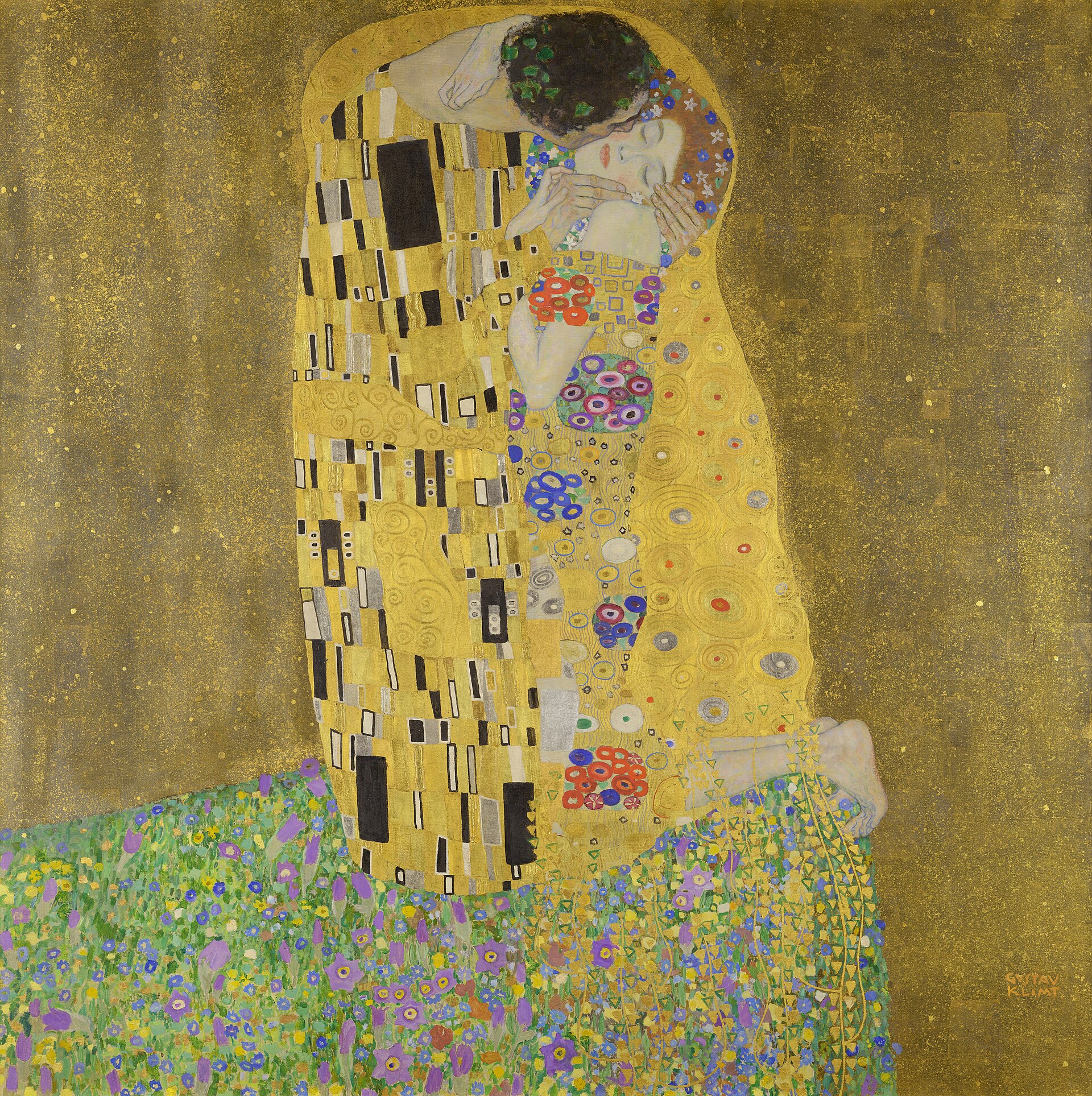
You watch them doing something so ordinary you would struggle to describe it later. They are making food, or looking for something they have misplaced. You know how they move through the room. You know which bit of the task they will forget and which bit they will do with unnecessary care. And suddenly you want to be closer than two bodies allow.
There is an ache in it. You can stand beside a person, share a bed, know the sound of their breathing, and still never stand inside their experience of being alive. Sometimes I think that is what people mean when they say they want to crawl under their partner’s skin. They want to get past the distance that remains even when they are loved.
Researchers Arthur and Elaine Aron and Danny Smollan drew a series of overlapping circles to ask people how close they felt to someone. The Inclusion of Other in the Self scale captures a familiar feeling: a person can become so important to your life that your sense of yourself and your sense of them begin to overlap. The circles measure reported closeness; they do not tell you how much closeness is right for your relationship. [1](https://psycnet.apa.org/doiLanding?doi=10.1037%2F0022-3514.63.4.596)
At the beginning, I was less certain I wanted those circles to touch. I was trying to feel out who we were. I watched them do everyday things with a kind of wary fascination. This person had their own way of seeing the world, their own way of occupying a room I had learned to call mine. I liked them, and I was still guarded. Letting someone into your space sounds romantic until they are there, moving through it as themselves rather than as the person you had imagined.
Years change what you notice. I look at them now and see the person they have become, alongside the person I first met. Their beauty has changed with time. I like being here to see it change. Sometimes I catch myself wondering what they will look like in twenty years and whether I will have the privilege of knowing. I cannot promise either of us that future. For all the plans we make, I only have this moment in which to look at them.
That thought can make a mundane task almost unbearable to watch. We spend so much of our day chasing the next thing that we can hurry straight past the life we have been trying to build. Then I come home, close the door, put down my keys, and hear, “Hey, how was work?” I have missed them. I want to say it properly. Often the greeting and the relief of being home carry more of it than I manage to put into words.
Wanting to fold myself into them does not mean I have forgotten they are a separate person. I have had years to discover how separate they are. They have opinions I did not give them, habits I would never have chosen, and a whole private life of thought I can only ask about. I can love the person in front of me more deeply because I am no longer trying to make them fit the shape I expected.
People speak as though the ordinary years must eventually switch desire off. I understand why some relationships lose it; people live through neglect, hurt, exhaustion and change. But time together cannot tell the whole story of what happens in a bed, either. Some people still reach for each other after years of sleeping side by side. They still like the feel of a familiar body and still want to be wanted by the person who knows them best. In a small study of people married for an average of 21 years who reported intense love, researchers found responses to a partner’s image in some reward-related brain regions also associated with early romantic love. It cannot promise anyone lasting passion, but it gives us a good reason to stop treating it as impossible. [2](https://pubmed.ncbi.nlm.nih.gov/21208991/)
I cannot get inside their skin. I can ask what they are thinking while they make food. I can kiss them on the way past. I can spend another evening learning the person they are becoming. And if I get to watch them grow older, I suspect I will still be looking at them while they do the most ordinary thing in the room.