How Do You Receive Love From Someone Who Was Never Taught to Give It?
Why so many women give everything in a relationship and get back a lukewarm 20 percent, why men were taught out of empathy at four, and what raising boys differently could change.
Published 2 October 2026 by Winnie S.
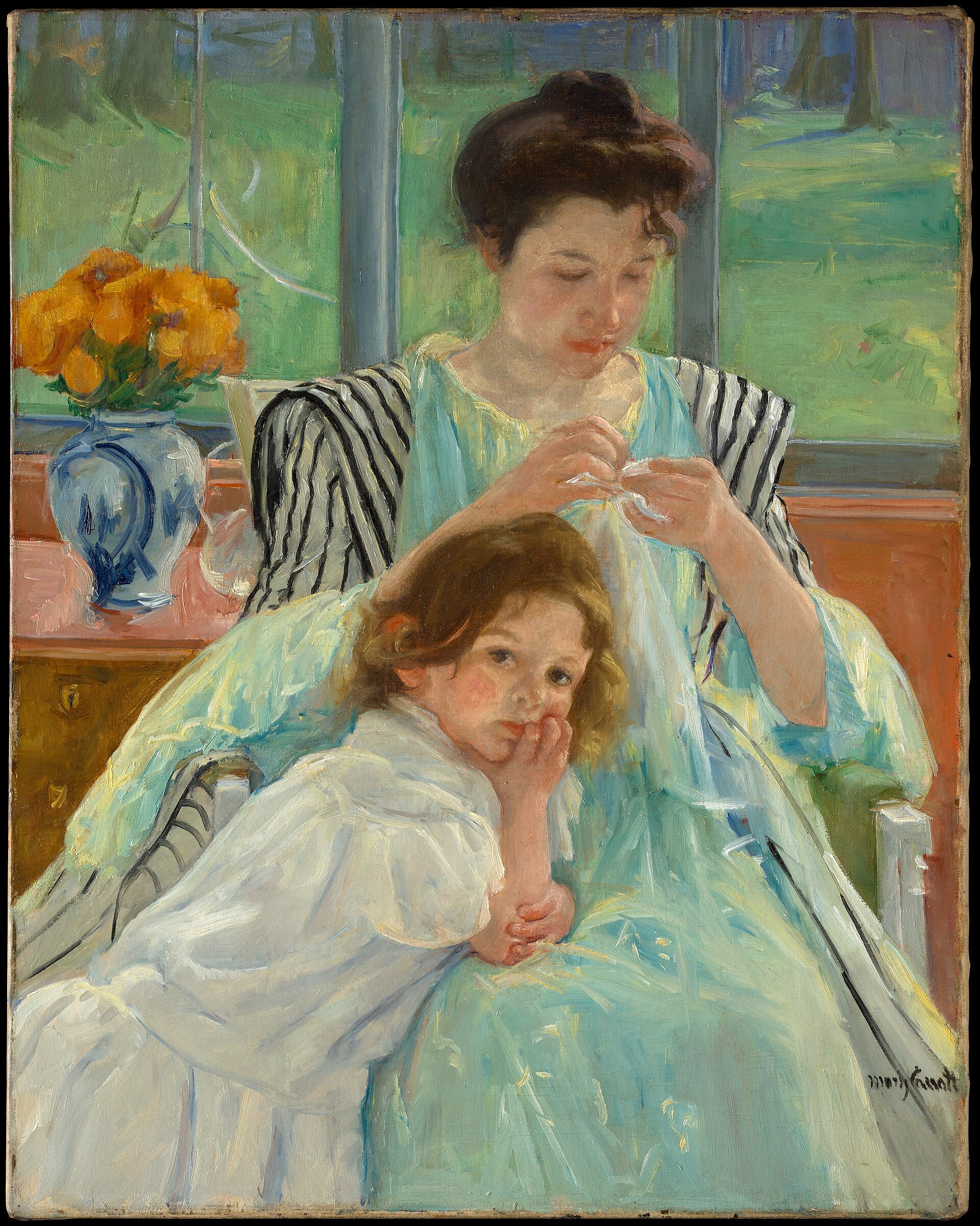
A four-year-old boy falls over in the playground. Before he has even decided whether it hurts, an adult is already moving towards him with the sentence he will hear for the rest of his childhood. You're fine. Up you get. Big boys don't cry.
He isn't fine, but he learns the lesson anyway, because four-year-olds are excellent students. By the time he is ten, he can watch his mother cry without moving. By the time he is fifteen, testosterone has arrived and the only feelings still permitted to him are anger and wanting. By the time he is twenty-five, he is standing in a kitchen while a woman he loves tells him she is exhausted, and he does not know what she wants from him, because nobody ever taught him the language she is speaking.
This is the part of the conversation we keep skipping. We talk about what men do. We talk far less about what was done to men first, and what it costs the women who love them.
The receiving gap
Ask almost any woman in a long relationship to list what she gives. The list runs long. The partner, the children, the extended family, the birthdays remembered, the appointments made, the temperature of every room noticed and adjusted. She gives until there is nothing left, and then she gives the nothing too.
Now ask what comes back.
The honest answer, in a lot of homes, is a fraction. A 20 percent version of the relationship she needs, served lukewarm. And the part that should make us angrier than it does: she will often call it good. She will say he tries, he means well, he's not like other men. Women lie to themselves about this constantly, and they do it to stay safe. Naming the gap means either blowing up your life or admitting you are living inside a disappointment, so most women keep face instead. From the outside it looks ordinary, and looking ordinary is the whole job.
The perpetrator problem is not a footnote
Any honest version of this conversation has to say the plain thing out loud. Men are, in general, the perpetrators. Of violence, of coercion, of the low-grade everyday intimidation that teaches a woman to check the street before she walks down it. The World Health Organization estimates that around one in three women worldwide has experienced physical or sexual violence, most of it from an intimate partner. The world women send their daughters into was built this way, it is maintained this way, and the people maintaining it are mostly male.
You cannot fix that with one patient wife per man. Women have been trying that arrangement for centuries. It does not reform him. It just exhausts her.
Start at four
So here is the unfashionable suggestion: start at four.
Not with punishment, not with shame, not with teaching small boys that they are dangerous. The opposite. Read to them. Name feelings in front of them and let them name their own. Treat empathy the way we treat reading, as a skill that is taught, practised, and expected, rather than a personality trait some children happen to have. Researchers at Harvard's Making Caring Common project make the same case: children learn to care about others when adults model it, talk about it and give them daily chances to practise it.
A boy who is allowed to be sad at four does not need to be angry at fifteen. A boy who has been read to, and asked how the characters feel, arrives at adulthood with the equipment to notice when his partner is drowning.
Empathy is the load-bearing skill of every relationship, and we currently leave it to chance in exactly the half of the population that causes the most harm when it is missing. Call it brainwashing if you like. We already brainwash boys. We just do it with silence.
What we are left holding
None of this helps the woman reading it tonight. She cannot go back and raise her husband properly. His mother already had her turn.
What she can do is stop lying about the percentage. Stop calling 20 percent enough because 20 percent is what is on offer. And if she is raising boys, she can do the small, unglamorous, world-changing work in her own kitchen: the reading, the naming, the refusal to let "he's fine" be the end of the conversation.
It is a slow fix, and the only one that has ever worked.
Questions readers ask
Why does my husband not know how to give emotional support?
Many men were taught from early childhood to shut feelings down, so they reach adulthood without the words or habits for comfort. That explains the gap. It does not mean you have to keep living inside it.
Is it normal to give more than you receive in a relationship?
It is common, especially for women, but common is not the same as enough. If you are running on empty and very little comes back, that deserves to be named out loud.
Can empathy be taught to boys?
Yes. Empathy is a skill children build through modelling, naming feelings, stories and practice. Starting early makes it part of who they are.
What if I feel unsafe rather than just unloved?
That is a different situation. In the UK you can call the National Domestic Abuse Helpline free on 0808 2000 247, day or night.
Sources
- World Health Organization, Violence against women fact sheet: https://www.who.int/news-room/fact-sheets/detail/violence-against-women
- Making Caring Common, Harvard Graduate School of Education, How to raise empathetic children: https://mcc.gse.harvard.edu/resources-for-families/5-tips-cultivating-empathy