My Heart Aches for You but My Mouth Runs the Show
The door opens later than you expected. For the past hour you have been trying not to picture what might have happened. They step inside, alive and well, and relief arrives so fast you scarcely feel it before your...
Published 13 October 2026 by Winnie S.
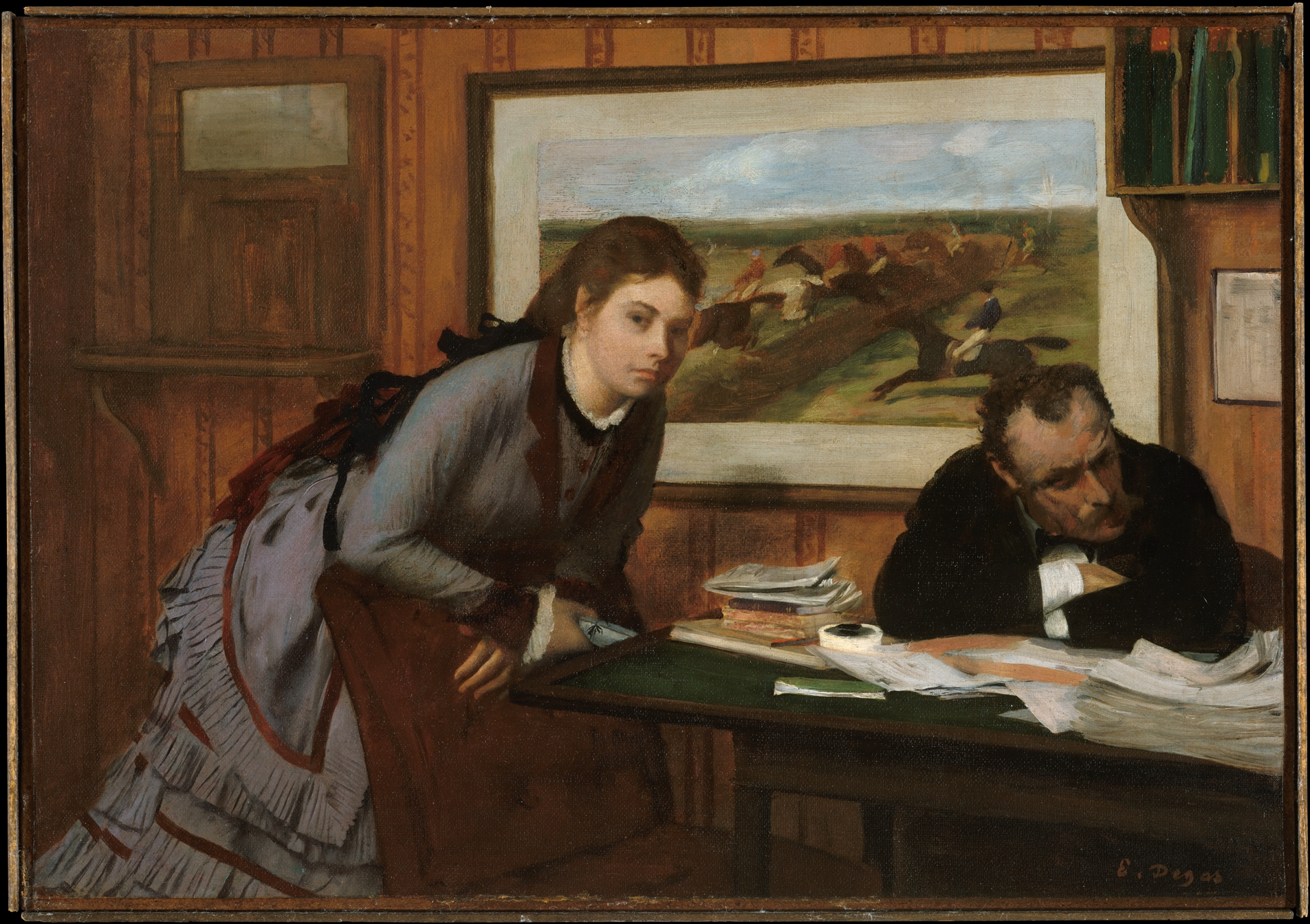
The door opens later than you expected. For the past hour you have been trying not to picture what might have happened. They step inside, alive and well, and relief arrives so fast you scarcely feel it before your mouth gets ahead of you.
“Nice of you to let me know.”
They hear an accusation. You hear yourself say it, too, and almost immediately wish you had managed something else. What you meant was that you were frightened and you are glad to see them. But by then they are explaining where they were, or why their phone was away, or why you always assume the worst. The conversation has found its own momentum.
It is tempting to tell the frightened person to choose better words. They should. It is also worth staying with the few seconds before those words come out. Fear has been building while you waited. When they arrive, your body may be ready for a fight, even though the danger you imagined has passed. Meanwhile the person at the door has no access to the hour you just lived through. They only know that they have walked into criticism. Both people can feel under attack within the space of a greeting.
Emotionally Focused Therapy looks closely at that cycle. A reactive response can cover an attachment fear or longing that is harder to say aloud. One partner reaches with criticism; the other protects themselves with an explanation or withdrawal; each response gives the first person fresh evidence that they are not being heard. The model asks couples to notice the cycle and make room for what is underneath the reaction. [3](https://cls.unc.edu/wp-content/uploads/sites/3019/2018/12/Clarifying-Negative-Cycle-ECFT-2018.pdf)
I think about how much effort it takes to say, “I was worried you were dead in a ditch, and I’m so happy you’re home,” when “Why didn’t you text?” is sitting ready on your tongue. One sentence leaves you open to looking foolish. The other gives you a case to prosecute. We can have whole libraries of advice about emotional maturity and still struggle to say the vulnerable thing to the person whose response matters most.
And the person who came through the door may have their own story. Perhaps the question sounds to them like one more piece of evidence that they cannot get anything right. Their answer can be defensive without their fear being imaginary. That does not make the missing message irrelevant. If you needed them to tell you they were delayed, you are allowed to ask for that. But the need has a better chance of being heard when the person knows why it matters to you.
“I got scared when I couldn’t reach you. I’m glad you’re home. Could you message me next time?”
I wish those words always came readily. Sometimes they arrive twenty minutes into an argument, once both people have said things they now have to repair. Even then, saying them changes the conversation. It gives your partner a chance to respond to the worry rather than defend against a verdict on their character. They may still be annoyed. They may also be able to say, “I’m sorry I frightened you.”
There is a difference between explaining an angry opening and asking someone to accept repeated cruelty. Fear does not excuse insults or intimidation, and a partner’s lateness can be part of a larger problem rather than a simple misunderstanding. But when two people want to reach each other and keep getting caught in the same argument, it is worth asking what each person thought they were protecting at the start.
Maybe the next time the door opens you will still say the sharp thing first. If you can catch yourself a moment later, you can try again: “That came out wrong. I missed you, and I was scared.” Your partner has something different to answer now.