Are Arguments the Problem or the Solution?
Arguments can help when they address a problem and lead to change. Explore healthy disagreement, conflict avoidance and the cost of keeping the peace.
Published 15 October 2026 by Winnie S.
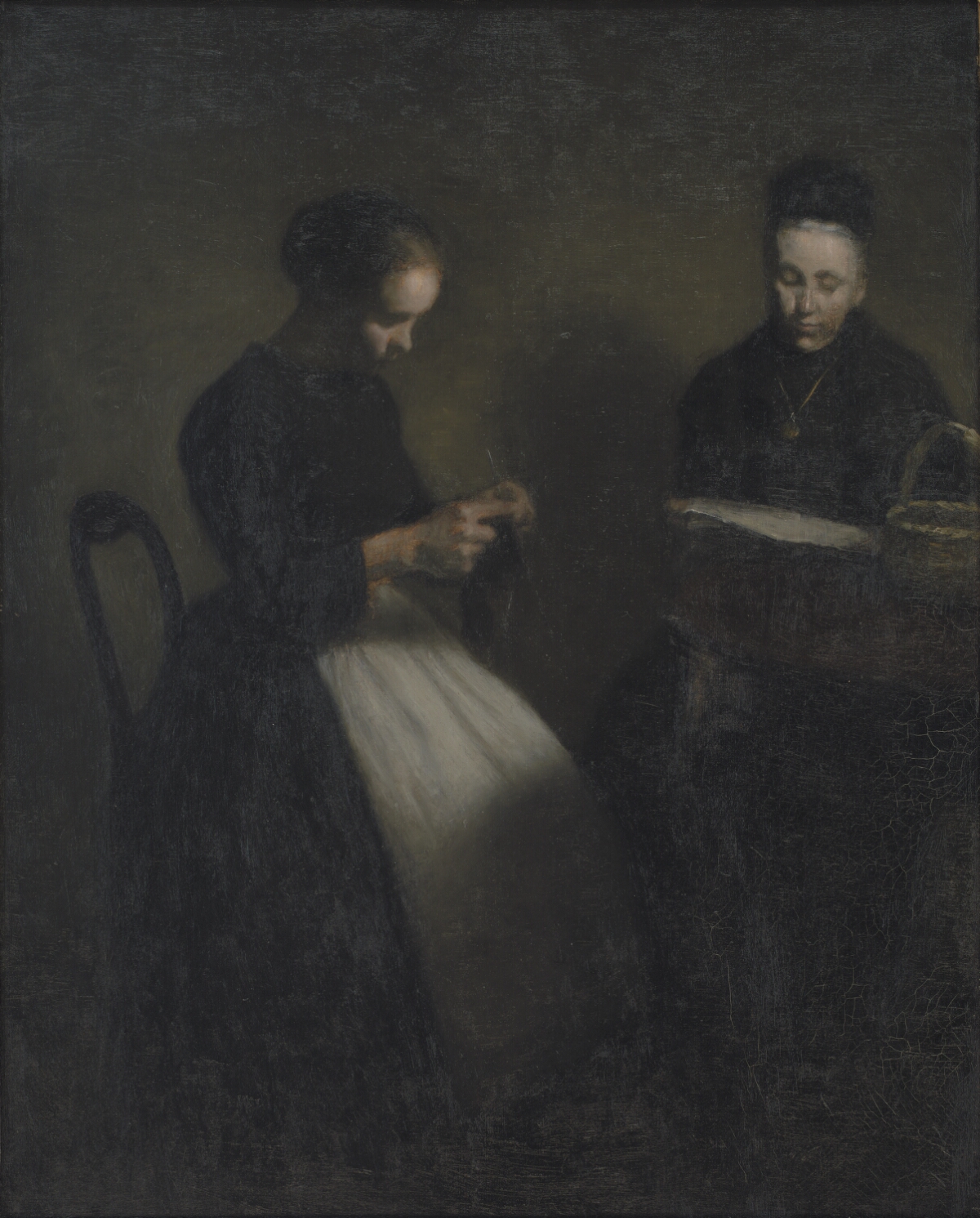
Do you know anyone who has never argued in a long-term relationship? Because I don’t. And if these unicorns exist, I have questions.
Unadulterated curiosity. I want to get underneath the statement. What do you mean, never? Never raised your voice? Never disagreed? Never looked at the person you love and wondered how someone so dear to you could have such an infuriating opinion about something so simple?
Couples who pride themselves on never having an argument make me a little uneasy. I hear the pride, and then I want to know what their peace contains. Can both people say something inconvenient? Can either of them disappoint the other without having to spend the rest of the day repairing the atmosphere? Who gets to be difficult, and who has learned to be easy?
Perhaps they discuss everything calmly. Perhaps they have found a way of being honest that never needs to get loud. I would like to hear about that. My curiosity gets sharper when “we never argue” seems to mean “we never bring up anything that might upset us.”
Because how?
You share a home. In many cases, you share a bed. You breathe the same air, negotiate the same floor space, and encounter each other before you have properly become a person in the morning. Your lives are joined at the hip, while your minds remain stubbornly separate.
Something is going to rub.
Two people cannot agree about everything
I would be disappointed to discover that loving someone required me to become their copy.
The person who fascinates me has thoughts I did not put there. They have preferences I cannot always explain. They notice things I miss, miss things I consider glaringly obvious, and arrive at conclusions I would never have reached by myself. Some of that difference makes me love them. Some of it makes sharing a home more complicated than loving them from a convenient distance.
We like the idea of an independent person until their independence produces an answer we dislike.
Of course I want you to have your own mind. I just hadn’t expected it to have such strong feelings about this particular thing.
And then come the habits. The clothes abandoned where they were removed. The way they put something away so thoroughly that nobody will ever find it again. Their interpretation of “soon.” Your interpretation of “tidy.” A small domestic decision that feels entirely reasonable to one person and faintly deranged to the other.
You can adore someone and wish they would stop doing something. You can accept them and still need an arrangement that allows you to live comfortably beside them. Acceptance becomes a very demanding word when it is used to close every conversation about change.
I am interested in the life you build around your differences. Which ones can you laugh about? Which ones can you accommodate? Which ones leave one of you doing extra work, losing sleep, spending money, or feeling smaller?
Those questions need answers even in a house where nobody shouts.
What an argument can bring into the open
The laundry is useful here because it looks so trivial.
A shirt on the floor may be a shirt on the floor. You ask your partner to pick it up, they do, and life continues. Nobody needs to excavate the marriage over a sleeve.
But suppose you have asked repeatedly. Suppose the clothes keep appearing and you keep collecting them. Suppose your partner understands that clean clothes arrive because you wash them, yet treats your requests as an irritating interruption to the service.
Eventually, the shirt carries a history.
You are trying to discuss the work you are expected to absorb. Your partner keeps discussing how upset you sound. The conversation moves away from what happened and towards whether you have expressed yourself pleasantly enough to deserve a response.
I would like us to be careful about that. A person can speak badly and still have a legitimate complaint. We can ask them to stop insulting us while also answering the complaint. We can hear anger without deciding that the angry person created the entire problem.
Research gives us a reason to look beyond how comfortable a conversation feels. In two studies following newlywed couples, James McNulty and V. Michelle Russell found that the consequences of direct negative communication depended on the severity of the problems couples faced. Behaviours such as blaming or demanding change predicted worse trajectories when problems were minor, but more stable satisfaction when problems were more severe. Changes in the problems themselves helped explain those differences.
That finding gives me pause. Pleasantness can make a difficult conversation easier, but a serious problem still needs enough attention to be addressed. A beautifully handled discussion that changes nothing can leave someone living with the same burden afterwards.
I do not take that study as permission to be cruel. I take it as a reason to ask what happened to the problem once the conversation ended.
Did anything move?
Who is keeping the peace?
I keep returning to your question: how can I know you have touched my heart if you are not telling me what is happening in yours?
Being loved involves being known. Some of what needs knowing is inconvenient.
I am hurt by that. I don’t want what you want. I agreed because I could not face your reaction. I have been saying it is fine, and I need to tell you that it isn’t.
Those sentences may disturb the peace. They also give a partner information they cannot obtain from a reassuring smile.
When one person constantly edits themselves around the other person’s feelings, I want to know how much of their relationship remains available to them. Do they choose their words with care, or abandon the words altogether? Can their partner tolerate disappointment? Does every complaint require reassurance before it is allowed to exist?
The work can become exhausting. You carry the feeling, decide whether it is worth mentioning, anticipate the response, soften the request, and then comfort the person who is upset that you were upset.
Meanwhile, the relationship looks wonderfully calm from outside.
An early longitudinal study by John Gottman and Lowell Krokoff found that disagreement and anger exchanges were associated with unhappiness in the present but could predict improvement in marital satisfaction over three years. Defensiveness, stubbornness and withdrawal were associated with deterioration. The finding was about patterns observed in those couples, rather than a prescription to get angrier. It does, however, complicate the idea that visible friction always means a relationship is failing.
I would want to know whether the quiet couple can reach each other. Whether an uncomfortable subject stays open long enough for both people to say what they mean.
The elephant does not have to be announced at full volume. It does need somewhere to stand besides inside one person’s chest.
A tolerable habit or a life you cannot live?
Living together asks us to make distinctions that infatuation can postpone.
Can I live with this? Can we change it? Are you willing to understand what it costs me? Am I asking you to make room for me, or trying to organise you into someone I would find more convenient?
Some habits become familiar enough to lose their sting. Some need a practical agreement. Some reveal a difference in values that cannot be tidied away with affection.
Dirty laundry is negotiable. Whether you want children may be a fundamental incompatibility. How you spend money can reach into security, trust and freedom. Repeated humiliation or intimidation requires a different conversation altogether.
I do not want someone to accept everything because they love their partner. I want them to have enough room to decide what they are accepting.
And I want us to notice when a supposedly tiny issue becomes enormous through repetition. A request can be small while the experience of being ignored grows large. After enough repetitions, you may start to wonder whether your comfort counts at all.
Hashing it out can help you discover where you stand. You may find a workable compromise. You may understand a difference you can live with. You may discover that the future you each want will not fit into the same home.
That last answer hurts. Avoiding the question does not spare you its consequences.
The conversation has to reach the next day
An argument can feel significant because you finally said everything. The relief may be enormous.
Then you have to live afterwards.
Does the agreement survive beyond the apology? Does your partner remember without being supervised? Can you return to the subject without being accused of starting trouble again?
In a study following 373 couples over sixteen years, Kira Birditt and colleagues found that destructive conflict behaviours and certain combinations of engagement and withdrawal in the first year predicted higher divorce rates. The details varied across behaviours and groups. The study does not justify treating every pause or departure from a conversation as harmful. It does support paying attention to how the two people’s responses fit together over time.
Someone may need a break because they are overwhelmed. That break becomes easier to trust when they tell you when they will return and then do return. “I need to stop for now” can leave a conversation open. Repeatedly making a subject impossible to discuss leaves the other person stranded with it.
I want the argument to lead somewhere beyond exhaustion. A clearer request. An honest refusal. A different division of work. An acknowledgement that remains true when nobody is crying.
You cannot listen a relationship into fairness entirely by yourself. Your partner has to participate in the life you are trying to improve.
Can we tell each other what we need to know?
Fear changes all of this.
If speaking honestly brings threats, intimidation, punishment, sexual pressure or violence, you do not owe the relationship a more skilful argument. Your safety deserves priority, and individual specialist support can help you consider your options. Advice about better communication assumes a degree of freedom that an abusive relationship may not allow.
Within a safe relationship, I am willing to make room for awkwardness. For a clumsy sentence that needs trying again. For hearing something I dislike and taking time to understand it. For a partner whose experience of our shared life differs from mine.
I want to be loved by someone who can tell me when I have hurt them. I want to know their preferences before years of accommodation turn them into a stranger who happens to know where we keep the towels.
And yes, I would like fewer pointless arguments. I would like us to recognise when we are tired, stop making a whole personality out of one irritating habit, and remember that the person beside us has a life inside them as complicated as our own.
But I would never want our proudest achievement to be that we had become afraid to disturb each other.
So I am still curious about the couples who never argue. Tell me how you do it. Tell me what happens when you want different things. Tell me whether either of you can say no.
If you have found a way to disagree freely, listen properly and change what needs changing without a raised voice, I would be glad to hear it.
I hope you both get to leave your laundry habits in the conversation. I hope you both get to stay in it yourselves.
Reader questions
Is it normal to argue in a long-term relationship?
Disagreement can arise when two people share a life. Some couples discuss it calmly; others have heated arguments. Frequency alone cannot tell you whether the relationship is healthy. Safety, respect, unresolved problems and what changes afterwards deserve attention.
Can arguing help a relationship?
A difficult conversation can bring a problem into the open and support change. Research suggests its effects depend on the problem and the behaviours involved. Insults, intimidation and repeated destructive exchanges should not be treated as helpful intimacy.
Is never arguing a red flag?
It warrants curiosity rather than a diagnosis. Can both people disagree, raise concerns and refuse things freely? Calm disagreement and fearful silence can look similar to an outsider.
Related Reading
- How We Argue
- Mental Load Check
- Find support
Research References
McNulty, J. K., & Russell, V. M. (2010). When “Negative” Behaviors Are Positive: A Contextual Analysis of the Long-Term Effects of Problem-Solving Behaviors on Changes in Relationship Satisfaction. Journal of Personality and Social Psychology.
https://pmc.ncbi.nlm.nih.gov/articles/PMC2845983/
Gottman, J. M., & Krokoff, L. J. (1989). Marital Interaction and Satisfaction: A Longitudinal View. Journal of Consulting and Clinical Psychology.
https://pubmed.ncbi.nlm.nih.gov/2487031/
Birditt, K. S., Brown, E., Orbuch, T. L., & McIlvane, J. M. (2010). Marital Conflict Behaviors and Implications for Divorce Over 16 Years. Journal of Marriage and Family.
https://pmc.ncbi.nlm.nih.gov/articles/PMC3777640/
Research note: These studies identify associations in particular samples. They do not prove that arguments cause healthier relationships or that couples who never argue are concealing problems.