After the Argument, Are You Still Free?
Every couple fights. The question that tells you what kind of fight you are in has nothing to do with who shouted loudest. It is what happens to your freedom afterwards.
Published 29 September 2026 by Winnie S.
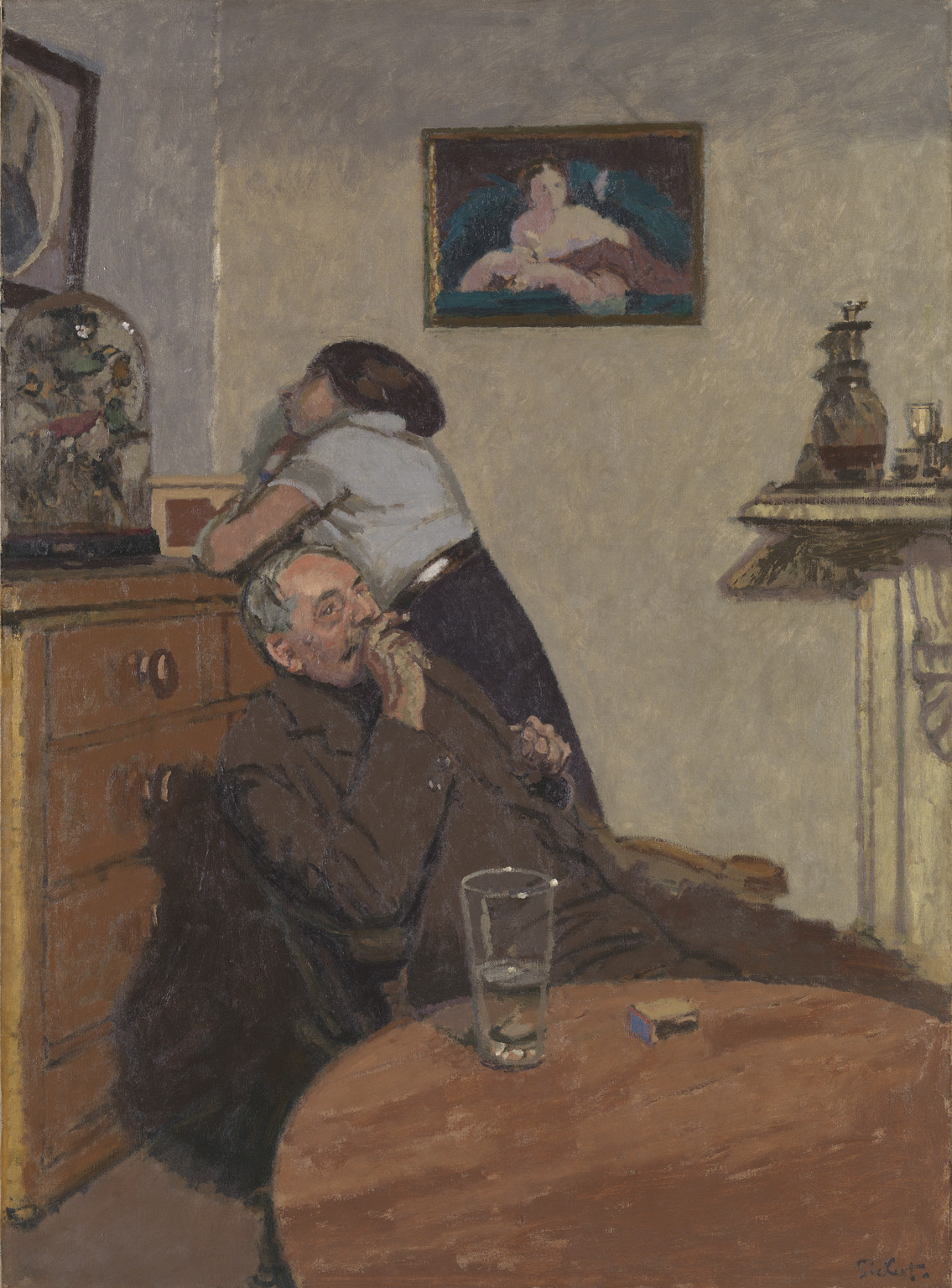
You had the argument. Voices were raised, something was said that cannot be unsaid, and now the house has that ringing quiet. And somewhere in the quiet a question arrives that you cannot put down: does every couple do this, or is this something else?
The answer has less to do with the volume of the fight than with what comes after it. So here is the question worth sitting with. After the argument, are you still free?
What healthy conflict looks like
Couples who last argue, sometimes loudly, sometimes badly. John Gottman's four decades of observing couples found that even the happiest pairs have recurring fights that never fully resolve. Sixty-nine percent of marital conflicts are perpetual, rooted in personality differences that do not go away.
What makes it healthy is what survives the fight. You can say the hard thing and not pay for it for a week. You can leave the room and come back. You can bring the same subject up again tomorrow without bracing. You can say no. You can see your friends, spend your money, make your plans, and the argument does not follow you into any of it. The fight stays about the thing you were fighting about, and both of you are still allowed to be people.
What harmful conflict looks like
Then there is the conflict that is doing damage even though nobody is afraid. The contempt. The eye roll that says you are an idiot. The scorekeeping. The same insult deployed because it lands. Gottman found that contempt is the single strongest predictor of divorce, and it corrodes even the immune systems of the people living inside it.
This kind of fighting is real and it is serious, and both people usually have work to do. But notice what is still true: both people can leave the conversation. Both can come back. The power in the room is roughly level, even when the behaviour is ugly. Ugly and dangerous are different things, and treating them as the same helps no one.
Where the line sits
The line is control. One person begins organising their entire life around the other person's reactions. You stop mentioning certain topics. You check the mood at the door before you decide who you are going to be tonight. You shrink your friendships because each one costs a scene. You spend carefully, dress carefully, speak carefully. Nothing has been thrown. Nobody has a bruise. And yet your life is getting smaller, year by year, and the argument is only the visible tip of it.
UK law calls this coercive or controlling behaviour, and it has been a criminal offence since 2015. No violence required. The offence is the pattern: isolation, monitoring, rules, threats, the slow removal of a person's independence. The law understood something that the culture still resists, which is that control is the harm. Violence, when it comes, is just one of its tools.
The research, held carefully
The sociologist Michael Johnson spent years arguing that researchers had been lumping two different things together. What he called intimate terrorism is a pattern of control, almost always one-directional, where violence serves the control. What he called situational couple violence is conflict that escalates, where a fight gets physical but neither person is running the other's life.
The distinction matters because the responses differ. A couple in escalating conflict can often be helped by learning to fight better. A person inside coercive control cannot be helped by couples counselling, and organisations like Respect warn against it, because sitting your abuser in a room while you describe the abuse is how people get hurt after the session.
But hold the research carefully. Johnson's categories are a lens, not a home test. From the outside, a person resisting control can look exactly like one half of a mutual fight. She screams too. She has thrown things too. If you read about situational violence and feel a wave of relief because your fights are "both of you," ask the only question that cuts through: afterwards, are you both still free? Free to raise it again. Free to say no. Free to go. If one of you is free and the other is managing, the mutuality is a costume.
The questions that tell you which one you are in
- After a fight, can you bring the subject up again, or is it closed by his mood?
- Can you disagree about money, plans, family, without bracing for the cost?
- Have your friendships, hobbies, or spending quietly shrunk to keep the peace?
- Do you rehearse conversations in your head before having them?
- When he is angry, are you managing his feelings, or yours?
- If you told a friend the full truth of your last five arguments, would she be worried?
Answer those honestly and you will know more than any label can tell you.
Questions readers ask
Is my relationship toxic or just going through a hard patch?
Look at what happens after the fight. If both of you can raise the subject again, say no, and carry on with your own lives, you are in conflict, possibly harmful conflict that needs work. If one of you is shrinking their life to avoid the next blow-up, that is control.
Can it be emotional abuse if he has never hit me?
Yes. Coercive or controlling behaviour has been a criminal offence in England and Wales since 2015, and it requires no physical violence.
Should we try couples counselling?
For escalating but equal conflict, it can help. Where one person is afraid or controlled, domestic abuse organisations such as Respect advise against joint counselling as the first step.
If the answers unsettled you
If you recognised the smaller life, the rehearsed conversations, the mood-checking at the door, please do not let anyone, including this article, talk you out of it because "he has never hit you." The law, the research, and the lived experience of thousands of women all agree: the hitting was never the point.
In the UK, the National Domestic Abuse Helpline is 0808 2000 247, free and open 24 hours. Refuge, Women's Aid, and Respect all have people who will talk it through without making you do anything. Our [Find Support](/find-support) page lists more. You do not have to call it abuse to make the call.
Sources
- Gottman, J.M. and Silver, N., The Seven Principles for Making Marriage Work (1999).
- Johnson, M.P., A Typology of Domestic Violence (2008).
- Serious Crime Act 2015, section 76, coercive or controlling behaviour.
- Respect, guidance on couples work and domestic abuse.
- Arnsten, A.F.T., Stress signalling pathways that impair prefrontal cortex structure and function, Nature Reviews Neuroscience (2009).