After Seven Years Together, Marriage Ended It
Seven years worked. Then the wedding closed the door, and the person you chose became a sentence you were serving. Why some couples end just after the one thing meant to secure them.
Published 9 October 2026 by Winnie S.
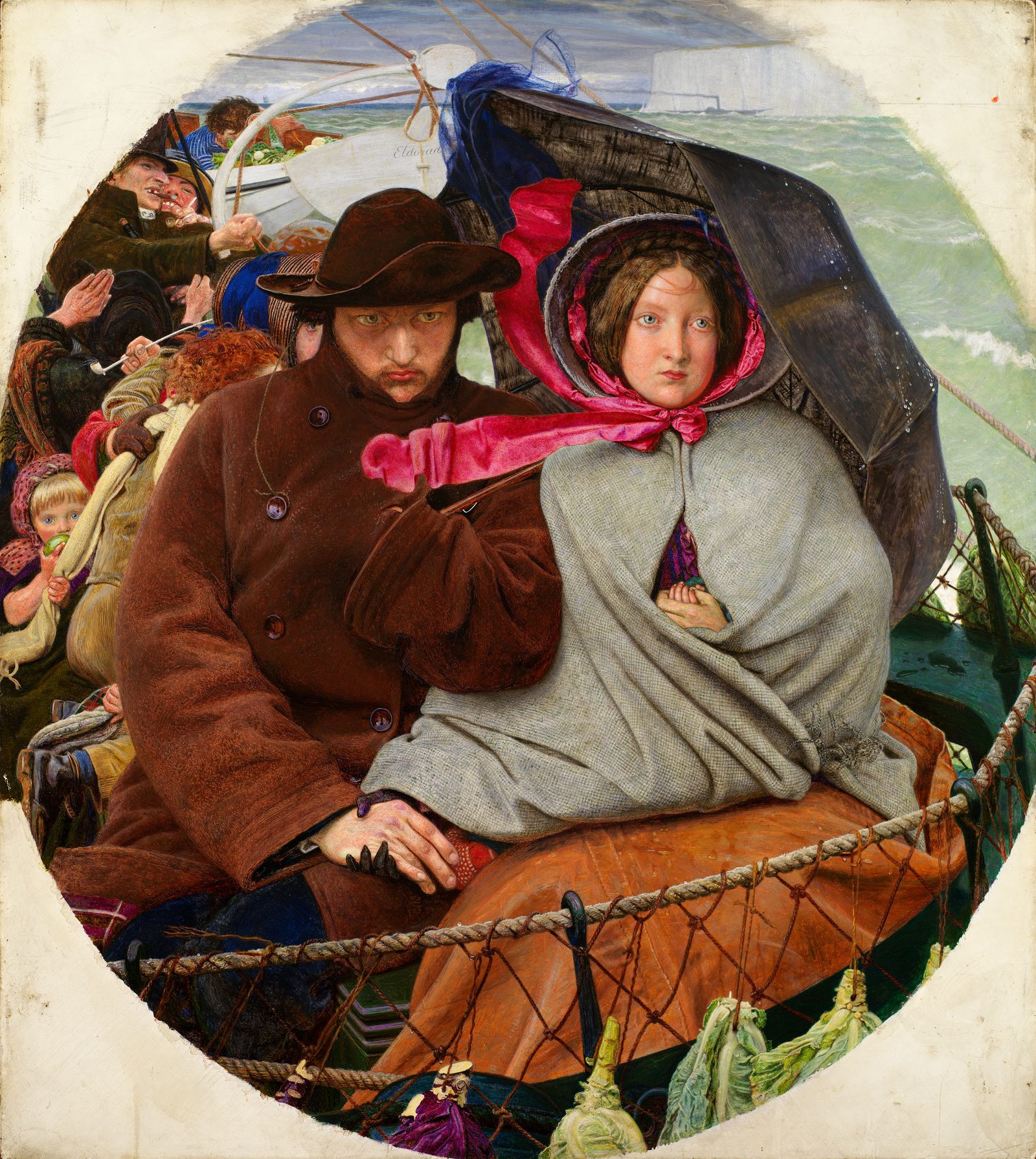
Seven years. That is how long the relationship worked. Seven years of shared leases, shared friends, shared jokes so old they no longer need a punchline. Nobody in the room doubted the pairing. And then the wedding happened, the flowers went in the bin, the photographs got framed, and within months the person next to you had become a sentence you were serving.
Here is the architecture of those dating years, and it matters that you see it clearly: the door was open. Not advertised, never used as a weapon, just present. Every evening you came home because you wanted to. Every ordinary Saturday you chose him again, quietly, with no one watching, and the choosing was the point. You were not a hostage of a lease or a mother''s expectations. You stayed because staying was the thing you kept deciding to do.
Then the certificate arrives and the door closes. Not with a fight. With a signature. And the yes you used to renew every morning gets collected in one payment, on one day, in front of two hundred people, and now it covers the rest of your life.
Wanting versus Stuck
The family researcher Scott Stanley has spent years on the difference, and he has clean words for it. Dedication is the wanting kind of commitment: you are in it because you want the life you are building. Constraint is the stuck kind: you are in it because leaving would hurt too much. Money, children, leases, families, the story you would have to tell your mother. Healthy couples hold both, but the wanting kind should be doing most of the carrying.
Marriage adds a wall of constraint in a single afternoon. The problem is that it does not ask what is left in the dedication tank first. Stanley''s research on couples who slide rather than decide describes exactly this: the relationship drifts through the milestones on momentum, cohabiting because the lease ended, marrying because the relationship had gotten long, and one day the constraint has quietly doubled while nobody checked the gauge. The wedding was supposed to celebrate the wanting. For some couples it quietly replaces it.
And once the door closes, the person behind it changes too. Habits that were quirks become clauses in a contract you never read. The wet towel stops being funny and starts being evidence. His ambition, his mother, his money habits, the way he disappears into his phone after dinner: none of it changed, but your position did. When you can leave, you spend your days noticing what is good, because staying is a daily argument you keep winning. When you cannot, you start auditing. That is what people do with a situation they cannot exit. They interrogate it.
The Peculiar Ones
Here is the part that stings. When children are involved and the thing worked for seven years, quitting a year after the flowers looks peculiar. People say it out loud, and you say it to yourself in worse words. Selfish. Impulsive. You knew what you were signing. There is some truth in it: the honest move would have been to use the door before the invitations, not after the christening.
But watch who the peculiar ones turn out to be. Ask them and almost all of them give the same answer, in different words: I did not know I was allowed to feel this way before the wedding. The dating years had a rule nobody wrote down. Doubt was permitted as long as you did not act on it. So the doubt got polite. It sat in the corner of the room at every dinner with his friends, at every family Christmas, at every quiet Sunday, and everyone agreed not to look at it.
The trap does not create the doubt. It removes every comfortable place to put it. During the dating years a doubt could be set down, picked up again, examined, and answered with a decision. After the certificate it has no address, so it spreads into everything. The money. The in-laws. The way he chews. The future you are suddenly not sure you want. It comes out all at once, under the worst conditions, usually in a kitchen, usually late.
Keeping the Door in the Room
The wedding did not break these couples. It stopped the pretending. The dating years held together on the possibility of leaving, and for some people that possibility is the thing the love breathes through.
If that is you, the lesson is that a certificate carries constraint in one afternoon but can never carry the wanting. The wanting still has to be renewed on ordinary days, with no one watching, by the two of you and nobody else. Decide before you slide, out loud, with the questions asked: not do we love each other, but what have we been assuming, what am I not saying because saying it would spoil the weekend, who am I to this person on a bad month. The answers do not need witnesses. They need honesty, and they need to be revisited after the wedding, when the door has closed and the doubt has nowhere to sit. The paper only changes what happens when someone forgets to renew.
If the doubt you are carrying has moved past nerves and into dread about the specific person you married, that is information rather than a phase, and it deserves somewhere honest to be said out loud. [We Said Divorce Every Other Week](https://www.ordinaryrelationship.com/articles/we-said-divorce-every-other-week) is one place that conversation has already been had. The [quiz directory](https://www.ordinaryrelationship.com/quizzes) has a few quiet instruments for telling temporary hardness from an ending.
Frequently Asked Questions
Why do couples break up right after getting married?
Because the wedding converts a relationship held together by wanting into one held together by obligation, and the conversion exposes what was already missing. Years of unexamined doubt, politely ignored before the ceremony, arrive all at once after it.
What is the difference between dedication and constraint?
Dedication is staying because you want the shared life. Constraint is staying because leaving costs too much. Both exist in committed relationships. The danger is the moment constraint carries the relationship while everyone is still calling it dedication.
Is it normal to feel trapped after a wedding?
The weeks after a wedding often bring a flatness nobody warned you about, and for some people a sharp sense of doors closing. If the feeling is grief for freedom, it usually passes as the marriage becomes its own thing. If it is dread about the specific person you married, that is information, not a phase.
Should you postpone a wedding if you have doubts?
Some doubts are nerves about the ceremony. The doubts worth taking seriously are about who your partner becomes when life gets hard, and about what you have stopped saying because saying it would spoil the planning. If you notice you have gone quiet about something important, ask why, and do not let the seating chart answer for you. And if the doubt has moved into fear of your partner rather than fear of marriage, that is a different conversation. The [Find Support](https://www.ordinaryrelationship.com/find-support) pages have somewhere to start it.
---
Sources: Stanley, S. M., Rhoades, G. K., & Markman, H. J. (2006). Sliding Versus Deciding: Inattention and the Mechanism of Risk for Couple Relationships. Journal of Marriage and Family, 68(3). Stanley, S. M., Whitton, S. W., & Markman, H. J. (2004). The Marriage Delay Effect: The Risks of Waiting Too Long Before Marriage. Journal of Family Issues, 25(4).